There’s a lot happening in Coastal Georgia’s marshes. You just have to know where to look.
Maybe it’s a tall bird standing perfectly still along the water’s edge, something splashing in a tidal creek, or a dark shape moving through the marsh grass that makes you stop and wonder what you just saw.
Around Darien, Georgia, wildlife is part of the landscape. Winding rivers, tidal creeks, salt marshes, and wooded shorelines provide habitats for an incredible variety of birds, marine animals, and other fascinating creatures.November in Coastal Georgia is an especially enjoyable time to explore, with cooler temperatures, fewer summer crowds, and migratory birds making their way along the coast.
If you’re staying at Legacy RV Resort, you’re well-positioned to discover some of the wildlife that makes this part of Coastal Georgia so interesting. You don’t have to be an experienced birdwatcher or nature enthusiast to appreciate what’s out there. Sometimes, all it takes is a little curiosity and knowing where to look.
From birds wading through the marsh to dolphins swimming through coastal waterways, here’s a beginner’s guide to Coastal Georgia wildlife, where to spot it, and a few interesting facts about the animals that call the Darien area home.
Great Blue Herons: The Marsh’s Patient Fishermen
If you spend any time exploring Coastal Georgia’s waterways, there’s a good chance you’ll spot a great blue heron. These impressive birds are among the most recognizable along the Georgia coast. With long legs, an extended neck, and blue-gray feathers, great blue herons can stand more than four feet tall.
What makes them especially interesting is how they hunt.
Rather than chasing fish through the water, herons often stand almost completely still in shallow areas, waiting for a fish, crab, or other small animal to come within reach. Then, in an instant, they strike. Their long, sharp bills allow them to catch prey with surprising speed and precision.
Around Darien, look for great blue herons along tidal creeks, marsh edges, riverbanks, and quiet stretches of shoreline. Low tide can be an especially good time to spot them, when shallow feeding areas become more accessible. You may also see great egrets nearby, elegant white birds that use similar hunting techniques and are another familiar sight throughout the region.
For anyone interested in birdwatching near Darien, Georgia, these two species are a great place to start.
The next time you’re passing a marsh and notice what looks like a motionless gray statue standing in the water, take another look. It might just be waiting for lunch.
Dolphins: Unexpected Visitors in Coastal Georgia’s Waterways
When people think about dolphins, they usually picture them swimming through the open ocean. But along the Georgia coast, dolphins can also be spotted in tidal rivers, sounds, and coastal creeks.
Atlantic bottlenose dolphins regularly travel through the region’s saltwater waterways in search of fish. Their smooth gray backs and curved dorsal fins may appear above the surface for just a moment before disappearing again. That’s part of the excitement of dolphin watching. You never quite know when one might make an appearance.
Dolphins are highly intelligent marine mammals that use echolocation to navigate and locate prey. They also communicate through clicks, whistles, and other sounds, and sometimes work together to herd and catch fish.
If you’re interested in dolphin watching near Darien GA, keep an eye on deeper tidal channels, river mouths, and the coastal waters around nearby barrier islands. Boat excursions and wildlife tours around the Golden Isles can also provide opportunities to see dolphins in their natural habitat.
Of course, dolphins are wild animals, and sightings are never guaranteed. The best way to enjoy an encounter is to observe from a respectful distance and give them plenty of room to swim and behave naturally.
Brown Pelicans: Coastal Georgia’s Expert Divers
Few birds are as entertaining to watch as the brown pelican. These large coastal birds are easy to recognize thanks to their long bills, expandable throat pouches, and impressive wingspans. You might spot them gliding just above the water, barely moving their wings as they follow the shoreline.
Then, without warning, one folds its wings and plunges headfirst into the water.
Unlike many other pelican species, brown pelicans frequently dive from the air to catch fish beneath the surface. Their famous throat pouch acts like a temporary net, scooping up fish and water. After draining the water, they swallow their catch.
Around the Georgia coast, brown pelicans are commonly spotted near coastal inlets, docks, fishing areas, and the waters surrounding the Golden Isles. Watch for them flying in lines just above the waves, resting near fishing docks, or making one of their dramatic dives.
And if you happen to catch one mid-dive, you’ll understand why they’re among the most entertaining birds to watch along the coast.
Alligators: Coastal Georgia’s Ancient Residents
Not every animal you might encounter around Darien has feathers or fins. American alligators are also part of Coastal Georgia wildlife, particularly in freshwater ponds, wetlands, and slow-moving rivers.
These prehistoric-looking reptiles have lived in the southeastern United States for millions of years, and their appearance has changed relatively little over time. Although alligators are often associated with warm summer weather, they’re present year-round. On warmer November days, you might even spot one basking in the sunshine along the edge of a freshwater pond or wetland.
While alligators prefer freshwater habitats, they can occasionally be found in brackish coastal waters, too. If you happen to spot one, enjoy the sighting from a safe distance.
Never feed an alligator, approach one for a photograph, or allow pets near the water’s edge in areas where alligators may be present. Seeing one in the wild can be a memorable experience, but these are powerful animals that deserve plenty of space.
A little caution and respect can go a long way toward keeping both visitors and wildlife safe.
Ospreys and Bald Eagles: Look Up!
Some of the most impressive Coastal Georgia wildlife sightings happen overhead.
Ospreys are large birds of prey that specialize in catching fish. Commonly found near rivers, tidal creeks, marshes, and coastal waterways, they’re known for hovering over the water before diving feet-first to grab their next meal.
Unlike herons and pelicans, ospreys use their sharp talons to catch fish directly from the water. Their feet are specially adapted for gripping slippery prey, making them remarkably effective hunters.
Bald eagles are another impressive sight along the Georgia coast, particularly near larger bodies of water where fish and other food sources are plentiful. With their white heads, dark brown bodies, and broad wings, adult bald eagles are hard to mistake. November can be an interesting time to watch for birds of prey as seasonal bird activity shifts along the coast.
Keep an eye out for large nests high in trees, birds perched near waterways, or silhouettes soaring above open marshland. Binoculars can come in handy, especially when trying to identify a bird perched in the distance.
And if you spot an osprey carrying a fish through the air, you’ve just witnessed one of Coastal Georgia’s most impressive fishermen in action.
Fiddler Crabs: The Tiny Residents of the Salt Marsh
Not all Coastal Georgia wildlife is large enough to spot from a distance. In fact, some of the marsh’s busiest residents are only a few inches across.
Fiddler crabs are small crustaceans that live in muddy areas along salt marshes and tidal creeks. If you’ve ever walked near a marsh at low tide and noticed tiny crabs scurrying across the mud, there’s a good chance you’ve encountered them.
Male fiddler crabs are particularly easy to recognize thanks to their one oversized claw. Rather than using it primarily to catch food, males wave this claw to attract mates, communicate with other crabs, and defend their territory.
Despite their small size, fiddler crabs play an important role in the salt march ecosystem. As they dig burrows and feed on organic material, they help mix and aerate marsh sediments, contributing to a healthier marsh environment. They’re also an important food source for birds, fish, and other coastal wildlife.
They might not attract as much attention as dolphins or bald eagles, but these tiny creatures help keep Coastal Georgia’s marshes thriving.
The next time you’re exploring a tidal creek at low tide, take a moment to look down. You might discover an entire neighborhood of busy little crabs.
Why Coastal Georgia’s Marshes Are So Full of Life
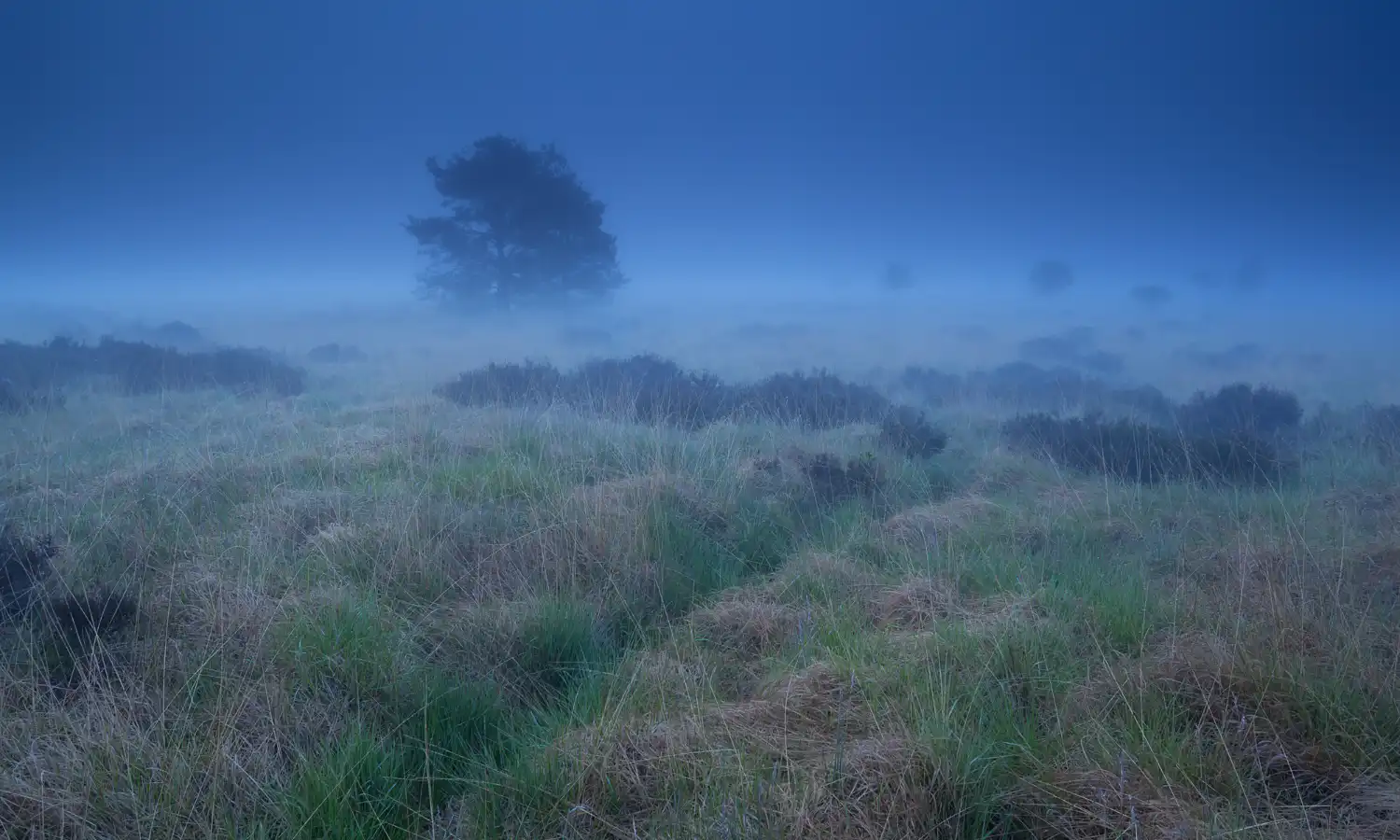
At first glance, Coastal Georgia’s salt marshes might look like endless stretches of tall grass and muddy waterways. But beneath the surface, there’s an entire ecosystem supporting some of the region’s most fascinating wildlife.
Much of the marshland around Darien is covered in smooth cordgrass, a plant specially adapted to salty, frequently flooded environments. These marshes provide food, shelter, and nursery habitats for fish, shrimp, crabs, and countless other organisms.
As the tides rise and fall, water moves through the marsh, carrying nutrients and creating feeding opportunities for wildlife. Small fish and crustaceans attract larger fish, which in turn attract dolphins, pelicans, ospreys, and other predators. Meanwhile, wading birds search the shallow water for their next meal.
And the benefits extend beyond the animals living there. Coastal Georgia’s salt marshes help protect shorelines from erosion, filter water, and support commercially important seafood species. They’re among the defining natural features of Georgia’s coastline and play and important role in keeping coastal ecosystems healthy.
It’s a complex system, but you don’t need to understand every detail to appreciate what’s happening around you.
So when you’re looking across the golden marsh grass around Darien, remember that you’re seeing much more than a scenic coastal view. You’re looking at a thriving habitat where plants, rides, and wildlife are all connected.
Darien Waterfront
The historic Darien waterfront is a great place to begin, with scenic views of the river, surrounding waterways and coastal marshes. As you explore the riverfront, watch for wading birds, shorebirds near exposed mudflats, and other wildlife while moving through the tidal waters.
Bring a pair of binoculars and take your time enjoying the view. Even a short visit can turn into an unexpected wildlife sighting.
Altamaha Wildlife Management Area
Located near the mouth of the Altamaha River, the Altamaha Wildlife Management Area features managed wetlands, marshes, and other coastal habitats that attract a variety of birds.
It’s an especially rewarding destination for birdwatching in Coastal Georgia, with opportunities to spot waterfowl, wading birds, and birds of prey. November is a particularly interesting time to explore as migratory and wintering birds become more active in the region.
Before visiting, check the Georgia Department of Natural Resources website for current access information, seasonal hunting schedules, and any area restrictions.
Harris Neck National Wildlife Refuge
A short drive north of Darien brings you to Harris Neck National Wildlife Refuge, a popular destination for birdwatchers and nature enthusiasts. The refuge protects a mix of freshwater ponds, salt marshes, forests, and grasslands, creating habitat for a wide variety of wildlife.
Visitors may spot wading birds, waterfowl, alligators, turtles, and other native species. Scenic roads and designated trails make it possible to explore several different habitats during one visit, whether you’re hoping to photograph wildlife or simply enjoy the natural surroundings.
St. Simons Island and the Golden Isles
If you’re planning a day trip to St. Simons Island or elsewhere in the Golden Isles, keep an eye out for wildlife along the way. Beaches, tidal creeks, coastal overlooks, and surrounding waterways are great places to watch for brown pelicans, shorebirds, and even dolphins.
For a different perspective, consider a guided boat or nature tour that explores the region’s coastal waterways. It’s a fun way to learn more about the local marine environment while experiencing a different side of Georgia’s coast.
Explore Coastal Georgia Wildlife from Legacy RV Resort
You don’t have to venture far to discover what makes Georgia’s coast so special. Staying at Legacy RV Resort puts you within reach of Darien’s historic waterfront, the Altamaha River, coastal wetlands, and the outdoor attractions of Brunswick and the Golden Isles.
Whether you’re hoping to spot dolphins in the tidal waterways, photograph a great blue heron, or spend an afternoon exploring a wildlife refuge, there’s plenty to discover nearby. And sometimes the most memorable sightings are the ones you weren’t expecting.
After a day outdoors, return to Legacy’s spacious full-hookup RV sites and modern resort amenities. Conveniently located just off I-95 in Darien, Georgia, Legacy makes it easy to turn a quick stopover into an extra day or two of exploring the coast.
Looking for more ideas during your stay? Our Guide to Events, Nature & Fun Around Darien highlights additional outdoor attractions and activities, while Your Guide to a Last-Minute RV Getaway on Georgia’s Coast offers inspiration for your next trip.
And when all that wildlife watching works up an appetite, take a look at our Where to Eat Near Legacy RV Resort guide for local seafood, waterfront dining, and other favorites around Darien and the Golden Isles.
There’s a whole world of wildlife waiting just beyond the interstate. Reserve your RV site at Legacy RV Resort and see what you can discover along Georgia’s coast.
Follow Our Social Media Channels and Blogs
Interested in more content from us? Follow along with us on our social channels!
Instagram: @legacyrvresortga
Facebook: Legacy RV Resort GA
Contact Us
Phone: 912-223-4202
Email: LegacyRVResort@gmail.com
Location: 12566 GA HWY 251 Darien, GA. 31305 -Just off I-95 at Exit 49